Freedom, Connection, and the Beauty of Restraint
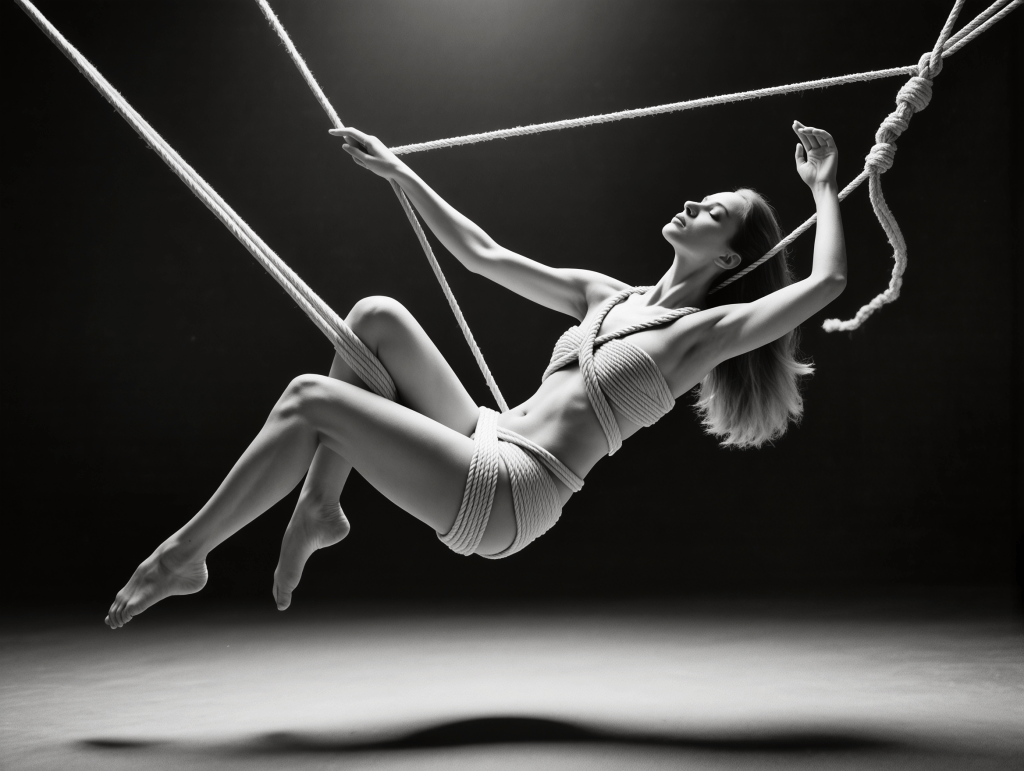
Rope play. The words themselves conjure a weaving of sensation—sometimes poetic, sometimes provocative, always intimate. For some, rope is the stuff of late-night curiosity: photos on Pinterest, slow-motion videos on social media, or artfully crafted stories in books and blogs. For others, it’s vivid memory: the press of cotton or hemp against the skin, the tension and release, the fluttering hush of anticipation as you surrender to the care and creativity of another.
Why does rope hold such a place in our collective erotic imagination? What draws so many of us, from every gender and walk of life, to tie and be tied, to play at the boundaries of freedom and control? In a world that pushes us to rush, to compartmentalize, to keep our desires hidden, rope offers something radical—an invitation to slow down and experience ourselves, and each other, anew.
Rope Is a Conversation, Not a Command
Let’s start here: Rope—like all kink and BDSM play—is about agreement, not force. It’s a living, breathing conversation. Each wrap, knot, and fingertip check is an exchange between the rope top (the rigger) and the rope bottom (the one being tied). This isn’t a silent performance; it’s a cycle of checking in, of reading the micro-signals of tension and breath, of asking and answering at every turn, “How does this feel? Does this serve you? Are we still in consent?”
In this way, rope becomes a metaphor for trust and freedom itself. When done well, it transcends “being tied up” and becomes an exploration of vulnerability, negotiation, and presence. The rope passes between hands, questions, and wishes—a tactile language that says, “You are seen. You are safe. You are allowed this experience.”
The Aesthetics and Ritual of Rope
Much of rope’s magic lies in its ritual. Unlike metal cuffs or modern velcro, rope is organic, old as storytelling, endlessly adaptable. The act of tying is slow, deliberate—sometimes meditative. A scene may last an hour, with each coil and cinch bringing both people deeper into the moment. For many, this slowness is essential: it forces both partners to be present, to attune to each other’s needs and limits, to let go of outcome and surrender to the process.
Rope has its own visual poetry. Whether you’re drawn to the intricate, decorative harnesses of Japanese shibari or the minimalist restraint of a simple chest tie, there’s an artistry in shaping a body with rope. For the bottom, being transformed into living sculpture is often affirming and exhilarating. For the top, creating those shapes is part creation, part caretaking, part dance.
Rope Space and Release
Ask anyone who loves rope and you’ll likely hear about “rope space”—an altered state similar to the endorphin haze some feel after intense exercise or meditation. For the rope bottom, this is a deep relaxation or even euphoria that can come from being securely held, cared for, and allowed to rest in someone else’s hands. It’s a dissipation of anxiety and the outside world, an invitation to feel, breathe, and be—for many—for perhaps the very first time.
For the top, there is often a matching “top space”—a sense of creative focus, flow, and caretaking satisfaction. Many riggers speak of the pride and beauty they feel in orchestrating safety and pleasure, in reading a partner’s cues, and in nurturing both bodies through the scene and aftercare.
Navigating the Nuances—And the Nerves
It’s important to remember that rope, like all exploration, comes with nuance and sometimes nerves. For some, being restrained can bring up worries about control, claustrophobia, or old wounds. For others, the act of tying can raise performance pressure.
This is why communication is everything. Before a scene, partners talk about boundaries, desires, fears. Safety is always part of the plan: keeping safety scissors nearby, checking circulation, being ready to stop at a moment’s notice. During the tie, open lines stay open—pauses for water, laughter, or a whispered reassurance (“Still good?” “Can you breathe?”) keep the experience consensual and connected.
If you’re new to rope, or exploring with someone else, honesty matters more than technical skill. Every knot is a chance to check in, every moment a place to build trust.
Rope for Every Body, Every Relationship
One of rope’s greatest gifts: it belongs to everyone. There’s no “ideal” rope bottom, no required level of athleticism or flexibility, no single body type or gender. Rope can be adapted—seated, standing, lying down, dressed or not. It can be sensual, silly, heavily erotic, or not erotic at all.
And you don’t need a romantic or sexual partnership to explore rope. Many people practice rope tying “for art” or friendship, at workshops, or just for the mental calm of practicing knots. There’s a world of online tutorials, forums, and community spaces devoted to safe, affirmative rope education—no shame, no exclusivity, just learning and sharing.
If You’re Ready to Try
- Educate yourself. Start with reputable online guides, books (like “Two Knotty Boys” or Midori’s “Seductive Art of Japanese Bondage”), and video tutorials.
- Invest in safety. Safety scissors/cutters are non-negotiable. Learn to check circulation, nerve signs, and the difference between “good hurt” and “bad hurt.”
- Talk, talk, talk. Discuss desires, limits, safety words, aftercare needs—with your partner, and with yourself.
- Go slow. Master a single-column tie before attempting more complex patterns. Even simple chest or thigh harnesses can feel deeply connecting.
- End with aftercare. Fuzzy blankets, cold water or a snack, a warm bath, or simply time held together—aftercare rounds out the experience for both partners.
Remember: you don’t need to be an expert to have a beautiful, affirming time. What matters more is kindness, presence, and a willingness to learn.
Rope Play—A Metaphor for Freedom
At its best, rope play is a form of adult freedom: a space where bodies and boundaries are respected, where pleasure and safety meet, where exploration honors both joy and fear. It’s an art and a science, a conversation and a risk, a way of saying: “My body, my rules, our story—together.”
If you’ve ever been curious about rope, know you have community, resources, and encouragement here. Ask questions. Explore slowly. Seek pleasure unapologetically.
In a fast, frantic world, rope teaches us to slow down, to trust, to surrender and to hold—all radical acts of self-love and connection.
So if you’ve ever imagined what it might be like, perhaps now is the time to take a single length of rope and, with care and consent, see where your curiosity might lead you.
 Black Cherrie Club Blog